Reduce



Reducing material use is an important first step in the circular economy. At Tchibo, we focus primarily on our packaging in the Non Food and coffee sectors.
Reduction of packaging material
How do we approach packaging to save on materials?
An important part of our packaging changeover: in addition to recyclability, we are also working on further packaging material optimizations, e.g. reducing the thickness and length of materials (“Reduce”) in order to save material and thus also costs.
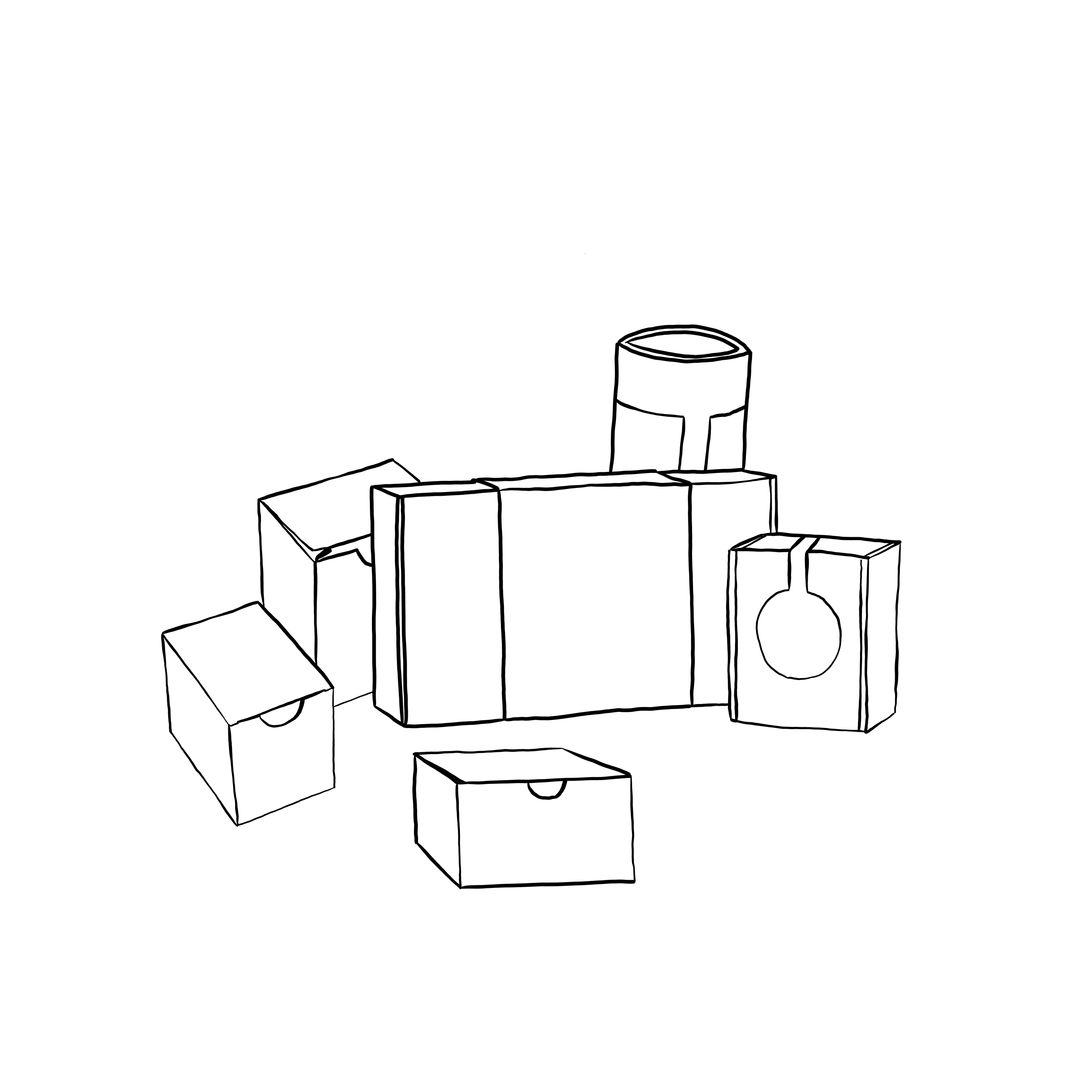
In April 2020, Tchibo presented a new packaging concept for (almost) plastic-free Non Food articles. Hard goods, such as kitchen utensils, are packaged plastic-free. Textiles are packaged in a cardboard banderole and a curved cardboard insert for stabilization. Only the suspension that holds the construction together is partly made of recycled plastic. The designs are unique worldwide and have already been patented.
In our key figures we report about the quantity of packaging materials put into circulation by Tchibo (in Germany).
"Unpackaged" in our Tchibo shops
How do we reduce the use of packaging materials in our Tchibo shops?
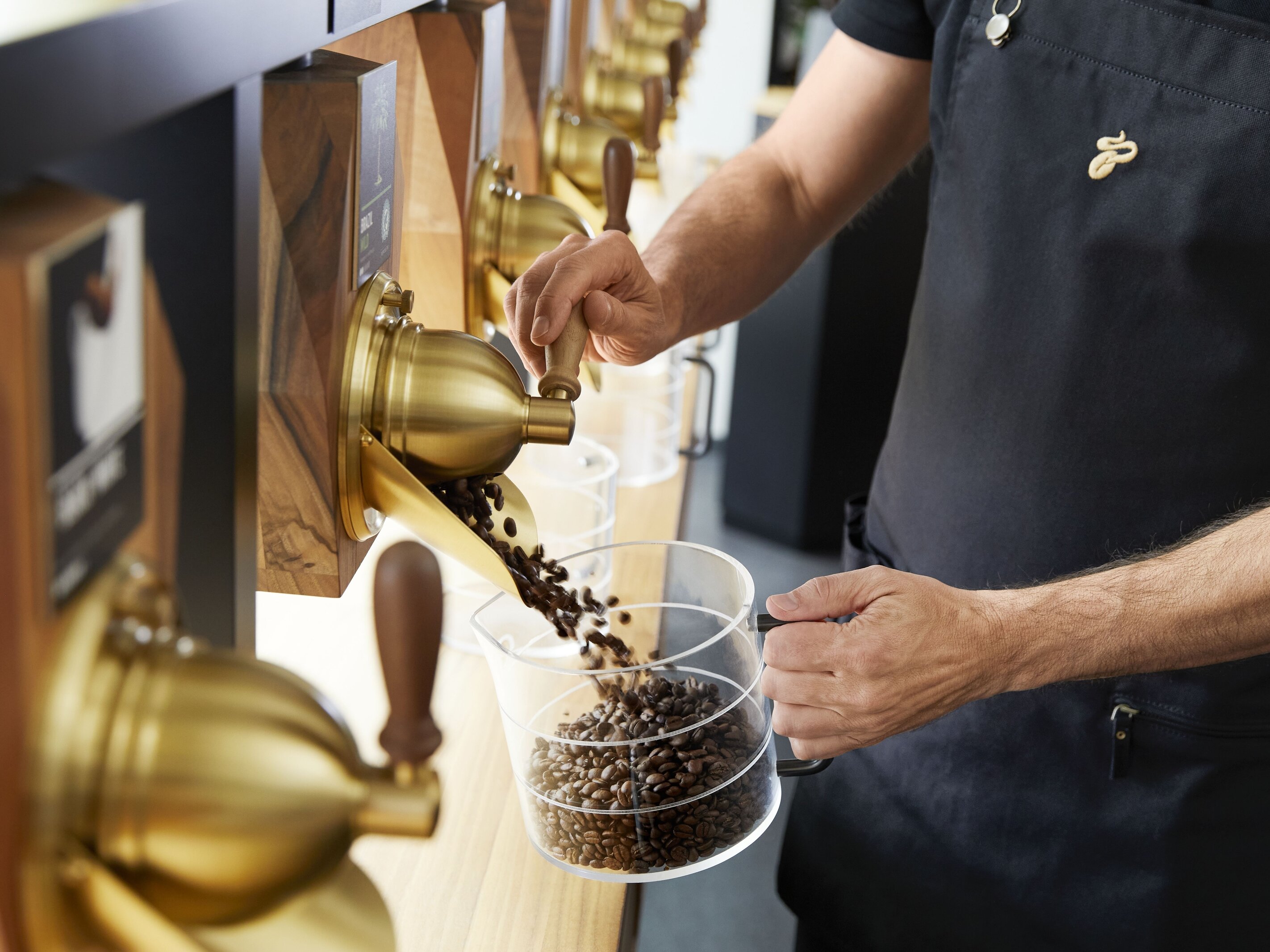
In our Tchibo stores, you can have your coffee filled into more sustainable reusable cups for on the go - or you can simply bring your own coffee cup with you. The same applies to coffee at home - ground or in whole beans: Simply bring along aroma cans or buy cans in store and have them filled at the branch. The staff will then fill the desired quantity directly from the chute next to the counter. Customers can choose from over eight different types of coffee, which are available in bulk, as whole beans or with an individual grind - without compromising on quality.
Tchibo thus offers its customers the opportunity to buy their coffee without packaging in all stores.