Human rights
How does Tchibo implement human rights due diligence in supply chains?
In our human rights work, we are guided by the UN Guiding Principles on Business and Human Rights as well as legal requirements. We follow the principle of respecting human rights, systematically preventing potential violations, and remedying breaches through targeted measures and continuous improvement. This human rights due diligence has been an integral part of our business practices since 2006.
Issue 01 | Human Rights | Power & Courage
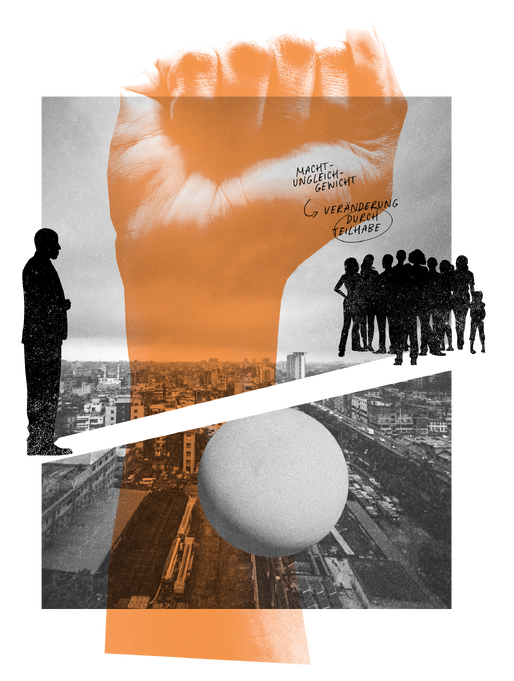
We need to talk about power...
Our economic system accepts systemic human rights violations. To change this, we must ask ourselves fundamental questions: Who has the power to initiate fundamental change? What works and what doesn’t—which methods do we rely on? What does the future require? And: Are we—as individual companies and as an industry or industries—doing everything in our power to combat human rights violations in our supply chains?
The risk of human rights violations in our supply chains cannot be eliminated overnight. That is why we are gradually making all products and processes environmentally and socially responsible. We are focussing on the areas where our impact on people is greatest and where we can have the most influence. Our strategy:
- Building long-term partnerships with suppliers and producers
- Empower workers as part of our human rights programme "WE Programme"
- Establish social dialogue with trade unions
- Initiate and support industry-wide change
- Establish effective grievance mechanisms