Materials
How does Tchibo approach the transition to a more sustainable product range?
When designing our products, we prioritize functionality and quality. The product should be usable for as long as possible. When designing our products, we place great importance on functionality and quality. The product should be able to be used for as long as possible—this also has the greatest positive effect in terms of sustainability. In addition to the material and workmanship, aspects such as reparability and timeless design also play a role (more on this: circularity). When selecting sustainable materials, we rely on recognized external certification standards, which source raw materials only from certified sources.
For many products, the right material is the key to success. Our internal sustainability guidelines for product design provide clarity about which materials are permitted and which are not, which sources we use and which we do not, which sustainability requirements we aim to achieve, and which new standards and materials we aim to develop. These guidelines are based on an ever-increasing knowledge of cultivation methods, supply chains, wages, and working conditions. They are not a rigid set of rules, but thrive on continuous development: becoming more sustainable step by step, and in this case, that also means considering the company's profitability in a competitive environment.
Procedure for switching to a more sustainable product range:
- As we transition to a more sustainable product range, we're initially focusing on the core ingredients of our products, as these have the greatest impact.
- In the second step, we look at the other mixed materials in the product.
- And in a third step we look at the additional components, such as buttons and the like.
In parallel with the development of our materials, we are also working on making the processing and finishing of our products more environmentally friendly. We do this, for example, by using bio-based impregnations such as evoPEL for our rainwear or exclusively chrome-free tanned leather for our accessories.
Cotton
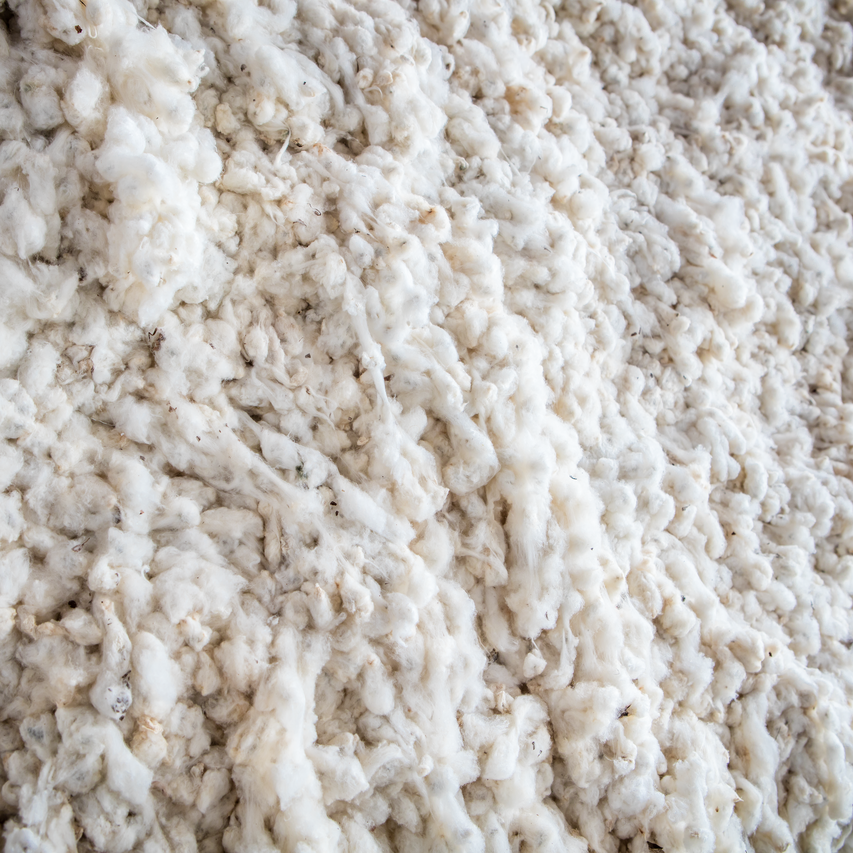
Conventional cotton cultivation is highly resource-intensive and typically involves the use of synthetic pesticides and fertilizers. For this reason, we decided over 14 years ago to switch to more sustainable cotton. Sustainable cotton means promoting cultivation methods that are in harmony with people and nature, and advocating for farming practices that are socially and environmentally responsible. A transparent supply chain—from the source to our finished textile products—is a top priority for us. To achieve this, we partner with certified suppliers and recognized initiatives and certification standards, uphold high standards, and drive our own projects to support smallholder farmers. In doing so, we work with the Organic Content Standard (OCS) and the Global Organic Textile Standard (GOTS). Additionally, since 2007, we have collaborated with the "Cotton made in Africa" (CmiA) initiative, run by the Aid by Trade Foundation.
Furthermore, we support projects addressing specific environmental and social issues in cotton cultivation, including initiatives implemented directly at the farm level. We aim to incorporate cotton from these projects into our supply chains and products in the future. By using cotton from "Cotton in Conversion" projects, we encourage the shift from conventional to more sustainable farming; we do this by creating incentives for the transition, supporting farmers throughout the process, and reducing their financial risks. The transition from conventional to more sustainable cotton cultivation takes up to three years.
FARM PROJECTS:
Chetna, Indien | 2020 - 2023
The project with the Indian cooperative Chetna supports East Indian farmers in growing sustainable cotton. The cotton from this project was used, for example, in our NAH/STUDIO collection. The goal of the project was to achieve ecologically responsible cultivation methods in the cotton sector and to improve the working and living conditions of small and medium-sized cotton producers. Specifically, the support is provided by:
- Payment of a minimum price for the cotton grown
- Access to free (organic) seeds
- Financial incentives for sustainable cultivation
- Support for women in project regions Fairtrade premium for community projects
- Access to free training
Pratibha, Indien | 2022 - 2025
The follow-up project with our supplier Pratibha in the Rajasthan region has been running since 2022. This is the follow-up to our Chetna pilot project. In 2025, we already had the first items on sale containing cotton from the Pratibha project. More products followed in 2026.
Since 2023, we have been using 100% sustainable or responsibly produced cotton for our textiles. We report on this as part of our key figures:
Certified by Control Union CU 809415
Products certified according to the OCS 100 and OCS Blended standards by Textile Exchange contain organically grown cotton that has been independently verified at every step of the supply chain – from cultivation to the final product. Growing organically certified cotton goes hand in hand with measures to preserve ecosystems.
Our clothing, which is certified to the Global Organic Textile Standard (GOTS), contains at least 70 per cent cotton from certified organic cultivation. Furthermore, care is taken to ensure compliance with environmental and social criteria throughout the entire textile production chain.

Through our partnership with Cotton made in Africa®, we support smallholder farmers in Africa and initiatives to promote improved agricultural practices in cotton farming.
Synthetic Fibres
We primarily use synthetic materials for our sportswear, as they offer good breathability, among other benefits. Since 2018, we have also been incorporating recycled fibers. We started with nylon made from old fishing nets and polyester derived from PET bottles. In the long term, we aim to make greater use of textile waste and expand the use of T2T (textile-to-textile) polyester across our product range.
Cellulose-based chemical Fibres
Viscose, modal, and lyocell remain among the most important textile materials in our range. But here too, the fact that they are renewable does not automatically make them sustainable. That is why we rely on cellulose-based chemical fibers from more sustainable sources. The fibers come from FSC® or PEFC® certified forestry at a minimum and, for the most part, are also processed in a more sustainable manner.

Animal fibers and materials
Animal welfare is a key component of our sustainability commitment. Our goal is to only use materials of animal origin for our Tchibo products if the animals are treated humanely during rearing, shearing, transport, or slaughter. At the same time, we are working to use and promote alternative materials without animal origin.
To protect animal welfare and the environment for our materials of animal origin, we work with recognized standards that are independently audited: the DOWNPASS Standard and the Responsible Wool Standard (RWS). Since 2021, we have also been using The Good Cashmere Standard from the Aid by Trade Foundation for our product ranges.
Since 2025, 100% of our wool and cashmere products have been certified according to these standards. For our home textiles ranges, we only use feathers and down that are certified or recycled in accordance with the DOWNPASS standard or the Responsible Down Standard (RDS). Since 2024, we have excluded the use of feathers and down in our newly launched clothing products.
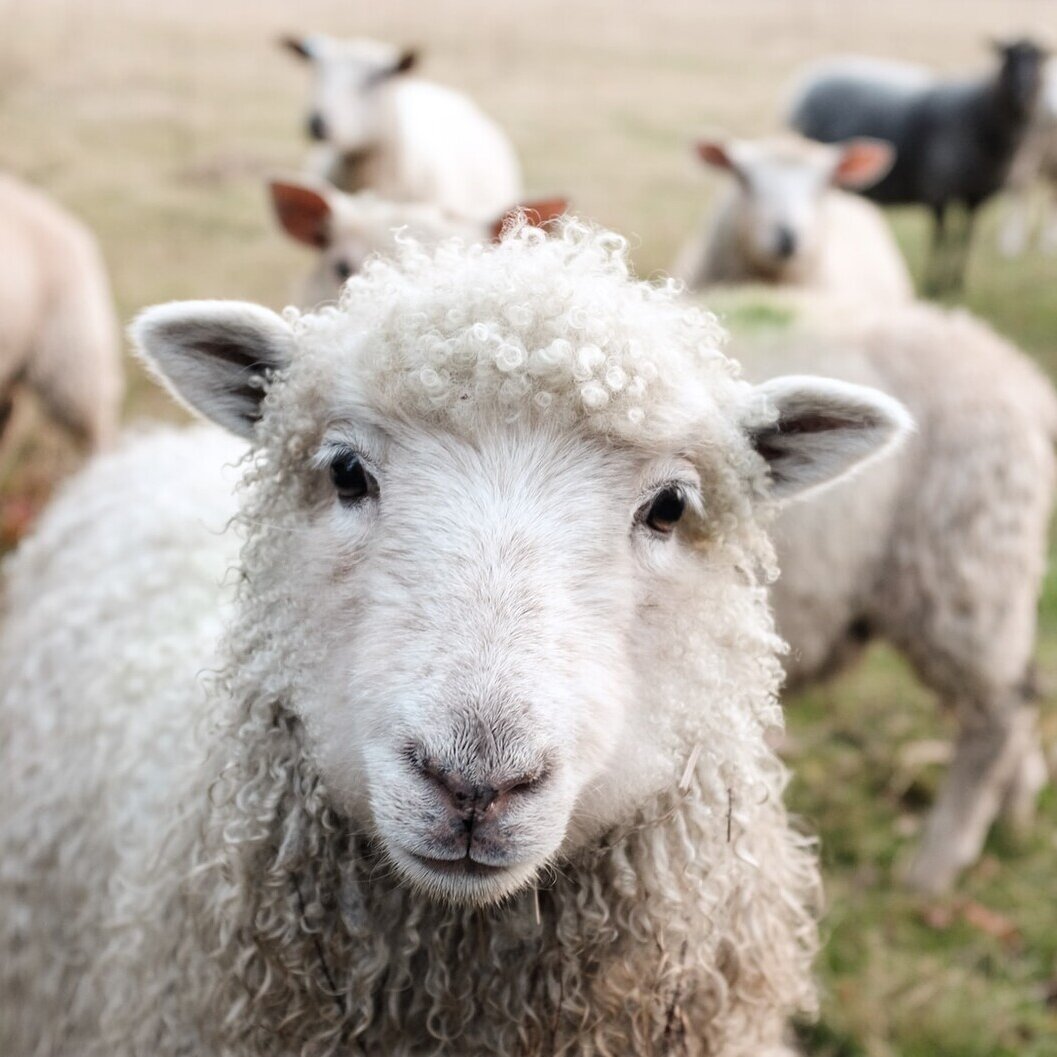
The Responsible Wool Standard (RWS) assesses animal welfare and land management requirements for wool and tracks the journey from the farm to the end product. Certified by CU 809415 The Responsible Wool Standard (RWS) assesses animal welfare and land management requirements for wool and tracks the journey from the farm to the end product. Certified by CU 809415
The Good Cashmere Standard: By working with The Good Cashmere Standard®, we make a valuable contribution both to animal welfare and to better working conditions for goat herders and hired farm workers, taking into account environmental and social criteria.
The Responsible Down Standard (RDS) certifies down and feathers according to animal welfare requirements and tracks the path from the farm to the final product. Certified by CU 809415
Wood and paper
The FSC® standards for responsible forest management, developed through a balanced, democratic process, support ecosystems and help protect the rights of workers as well as forest-dependent communities.
The 100% label stands for products whose material comes entirely from FSC®-certified forests.
For FSC® Mix certified products, materials from FSC®-certified forests and/or recycled material as well as material from controlled sources were used. The share of FSC®-certified or recycled/recovered material must be at least 70%.
The FSC® Recycled label stands for products that contain only recycled material and no primary material.
FSC®-certified (FSC® C022597)
The proportion of wood and paper from sustainable sources (FSC®) has risen steadily in recent years. We report on this as part of our key performance indicators:
Plastic
Depending on the product's function, material composition, service life, and disposal method, plastic can have varying environmental characteristics. When selecting materials, we therefore consider factors such as the use of recycled and bio-based materials, the potential for a long service life, and technical recyclability.
We also examine ways to avoid or reduce single-use plastics and unnecessary packaging components. We outline the specific measures and scope of application for the respective product and packaging solutions.

Innovative Materials
Looking ahead, we're constantly on the lookout for new ideas and innovative materials that will make our product range even more sustainable.
We have already introduced some innovative materials to our shelves: sneakers made from vegan coffee leather from our Tchibo roastery in collaboration with VLACE, non-food items made from I'm Green™ PE (a bio-polyethylene made from sugar cane), ECONYL® (a recycled fiber made from nylon waste such as fishing nets, fabric scraps, and carpet waste), and sportswear made from textile-to-textile recycled polyester produced using an innovative chemical recycling process.