#126 Hairy mission: Climate & hairdresser
In the latest episode of Tchibo's podcast "5 Tassen täglich," host Ralf Podszus visits Hairstylist Yusuf Irkilata at his salon Layers in Hamburg, joined by guest Kristina Kölling, Tchibo's expert on circular economy and environmental protection. Together, they discuss how to make climate protection more tangible in daily life – from reducing CO2 emissions in coffee farming to fostering sustainable practices in salons. The conversation emphasizes how individual choices can contribute to greater sustainability.
Hamburg is making climate history! It could have something to do with 5 cups a day and a hairdresser... In any case, the "Hamburg Future Decision" won the referendum on Sunday.
This means that we Hamburg residents will have to bring forward our climate target from 2045 to 2040 - as a legal obligation. 53.2% of voters were in favour - despite fears of restrictions in everyday life.
This election result may be down to Yusuf, a master hairdresser from Hamburg. We recently visited him in his Layers hair studio with our podcast equipment. And a little desperate. How can we communicate our ambitious Tchibo climate targets, we asked him, without our customers switching off straight away? But rather join in?
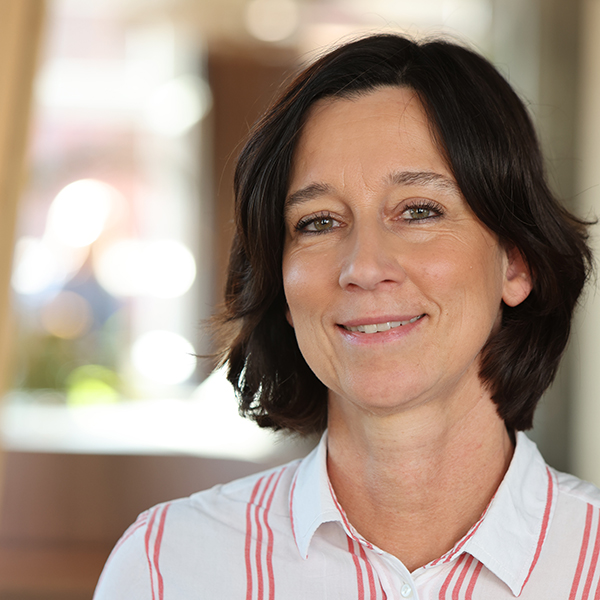
A hairdresser is known to have his ear close to the people, we thought. Our expert Kristina, Head of Environment & Circularity, has taken a beautiful holiday hairstyle with her on top!
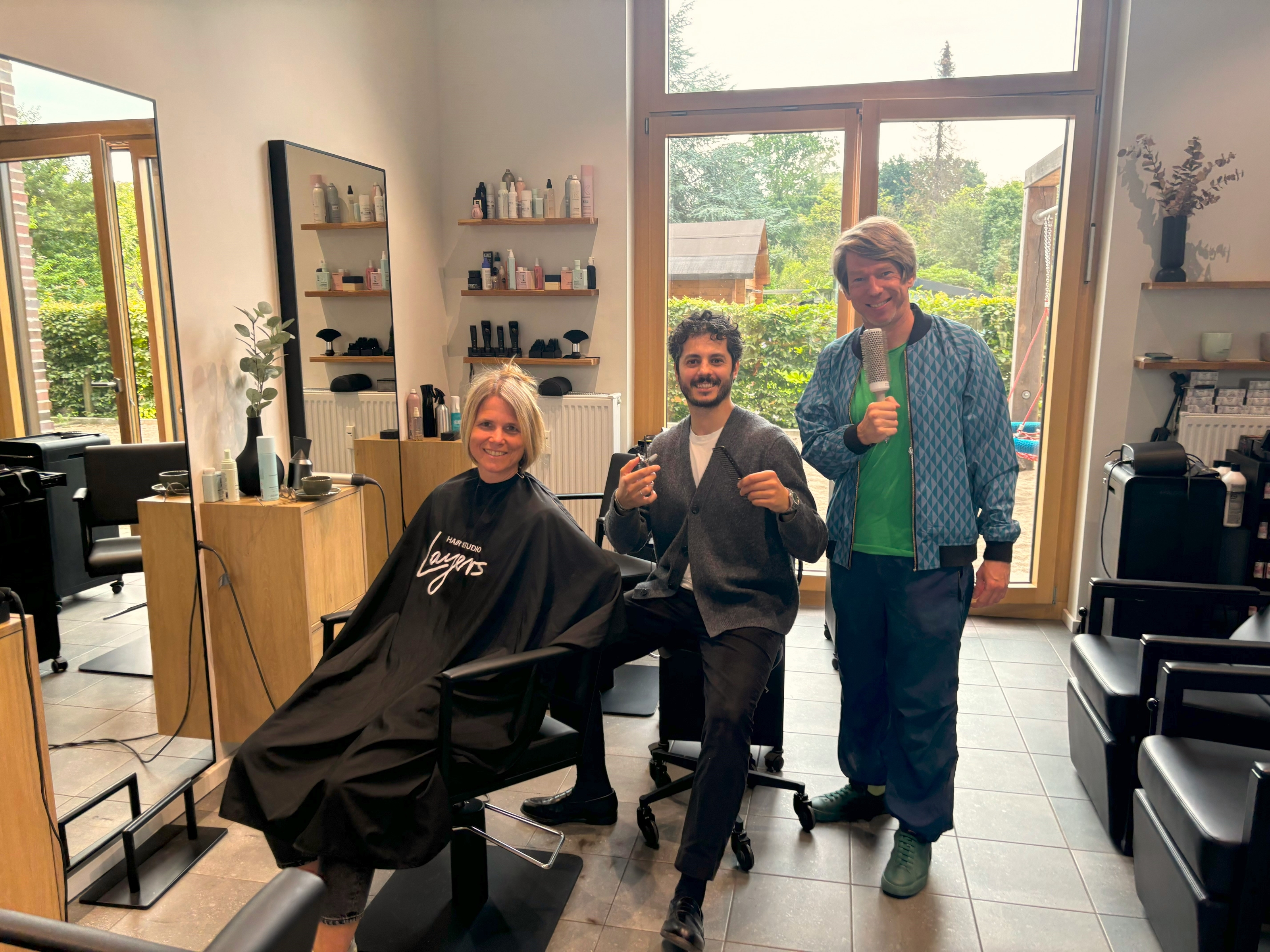
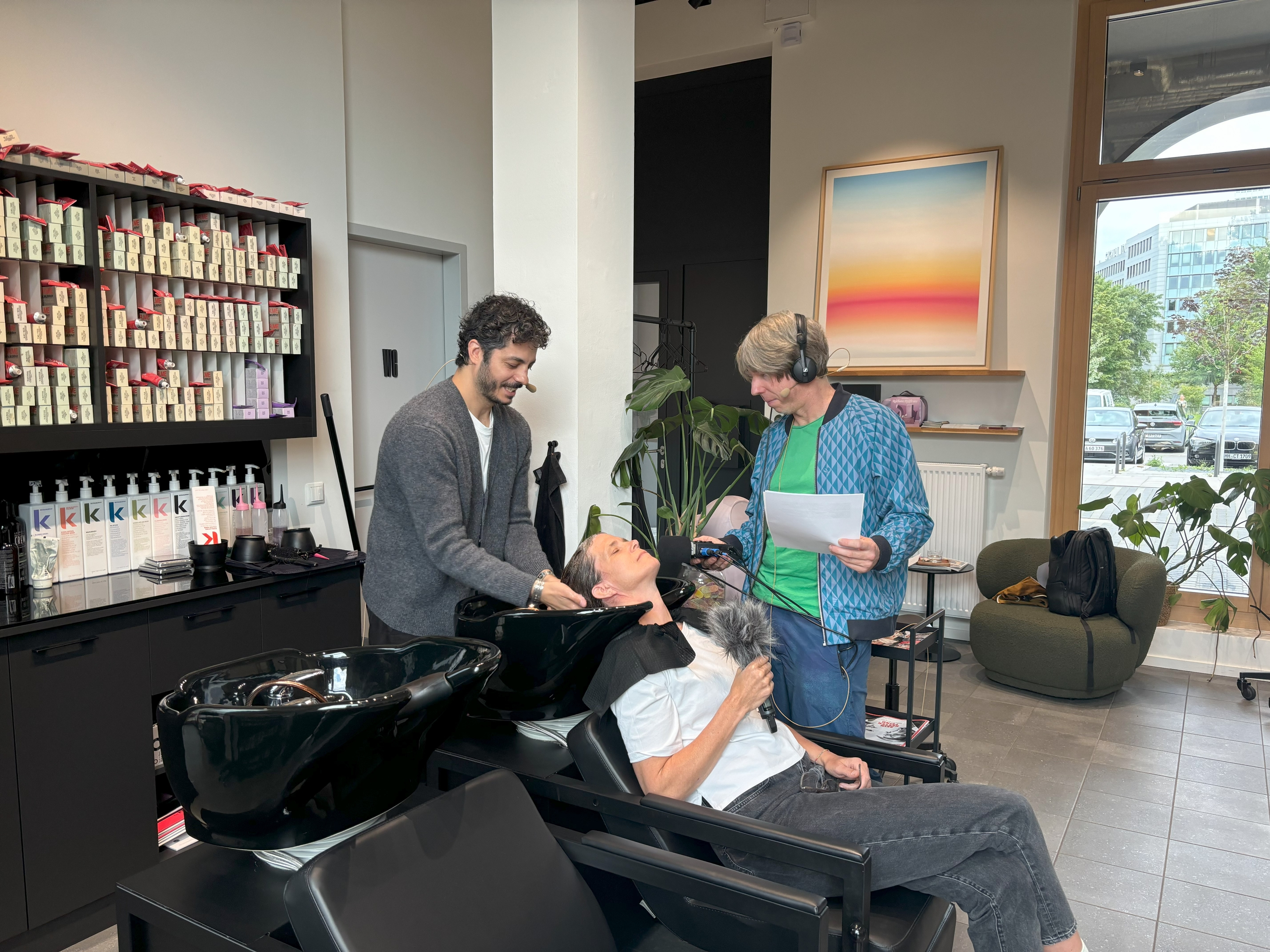
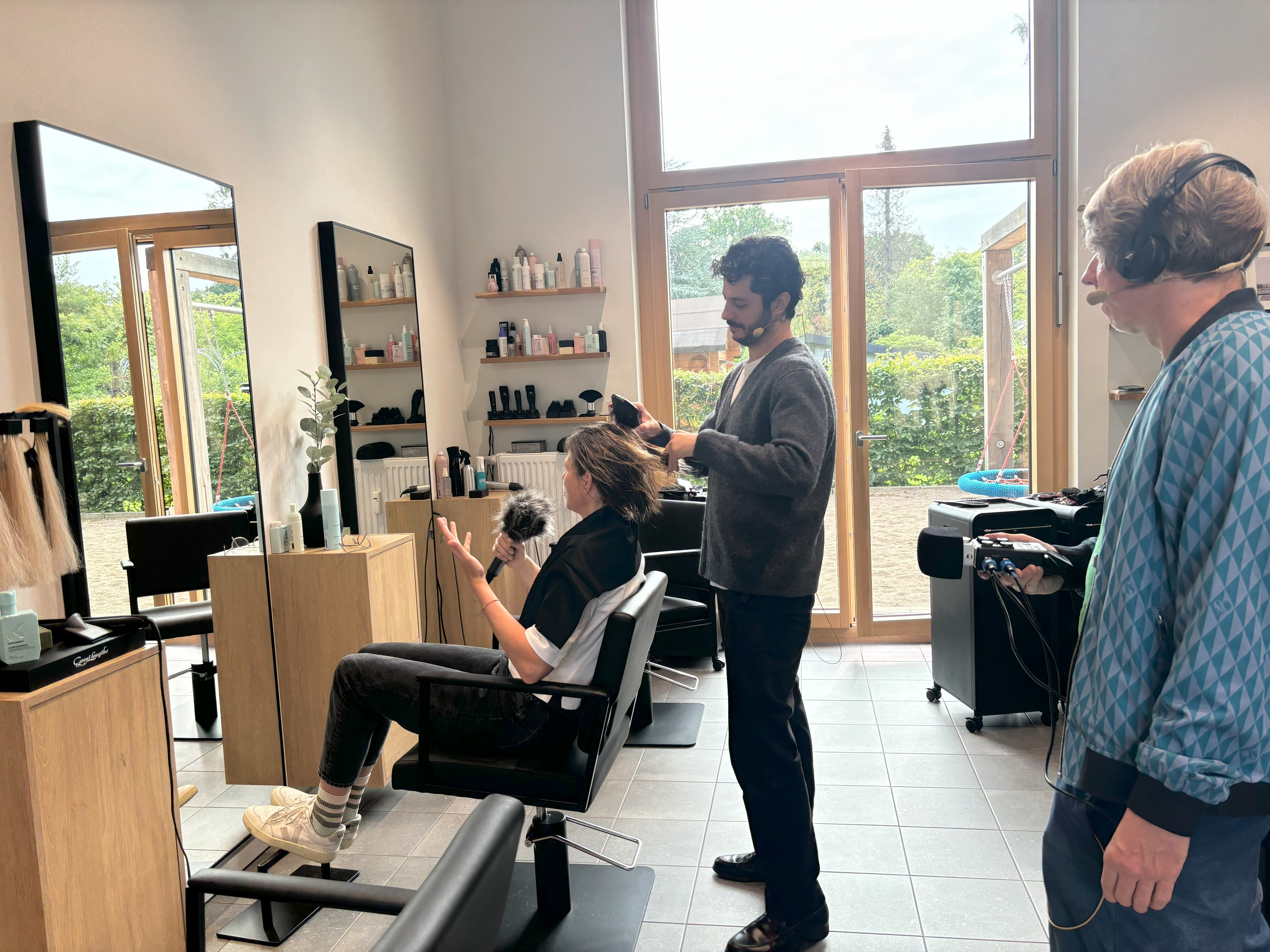
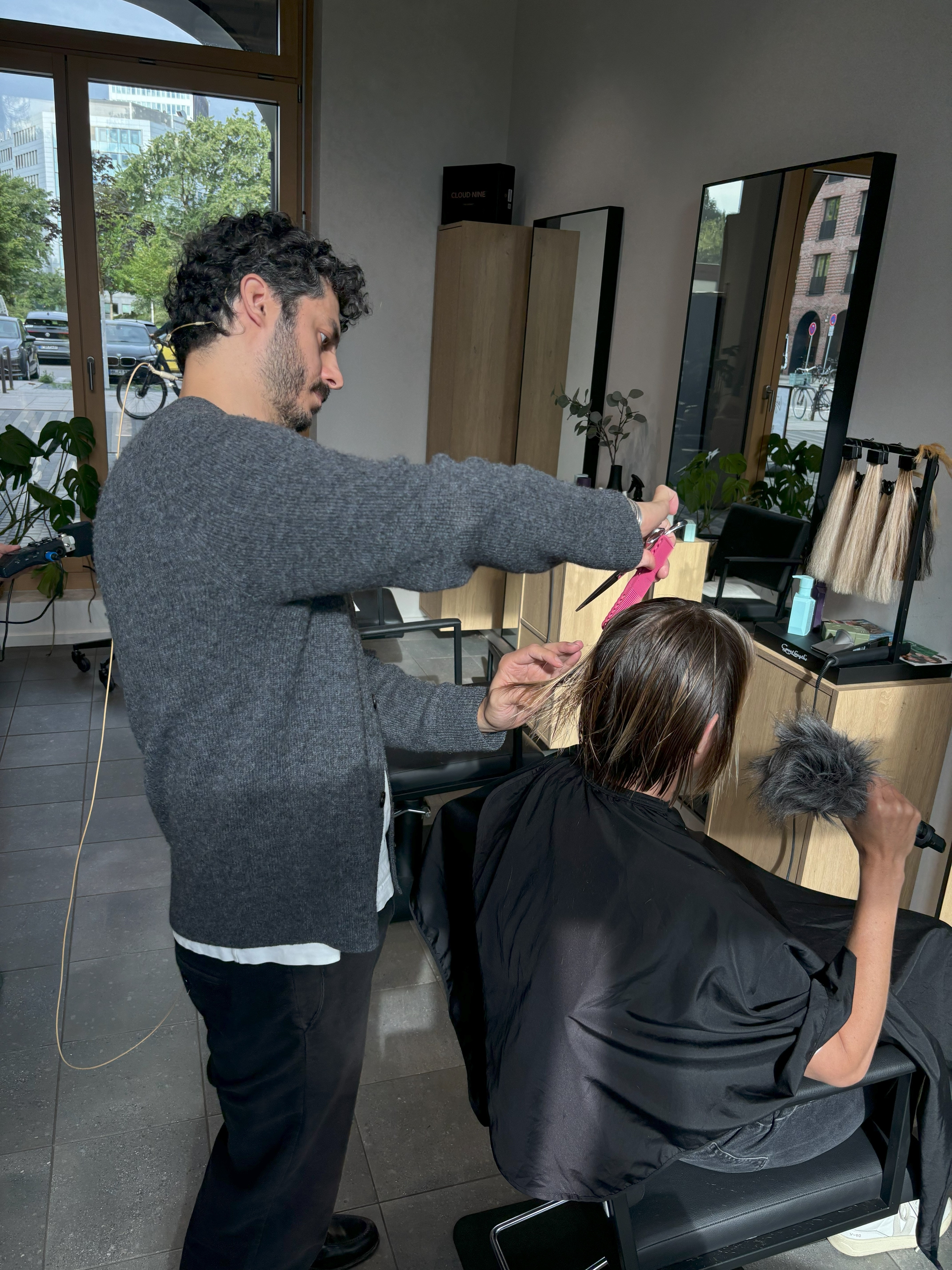
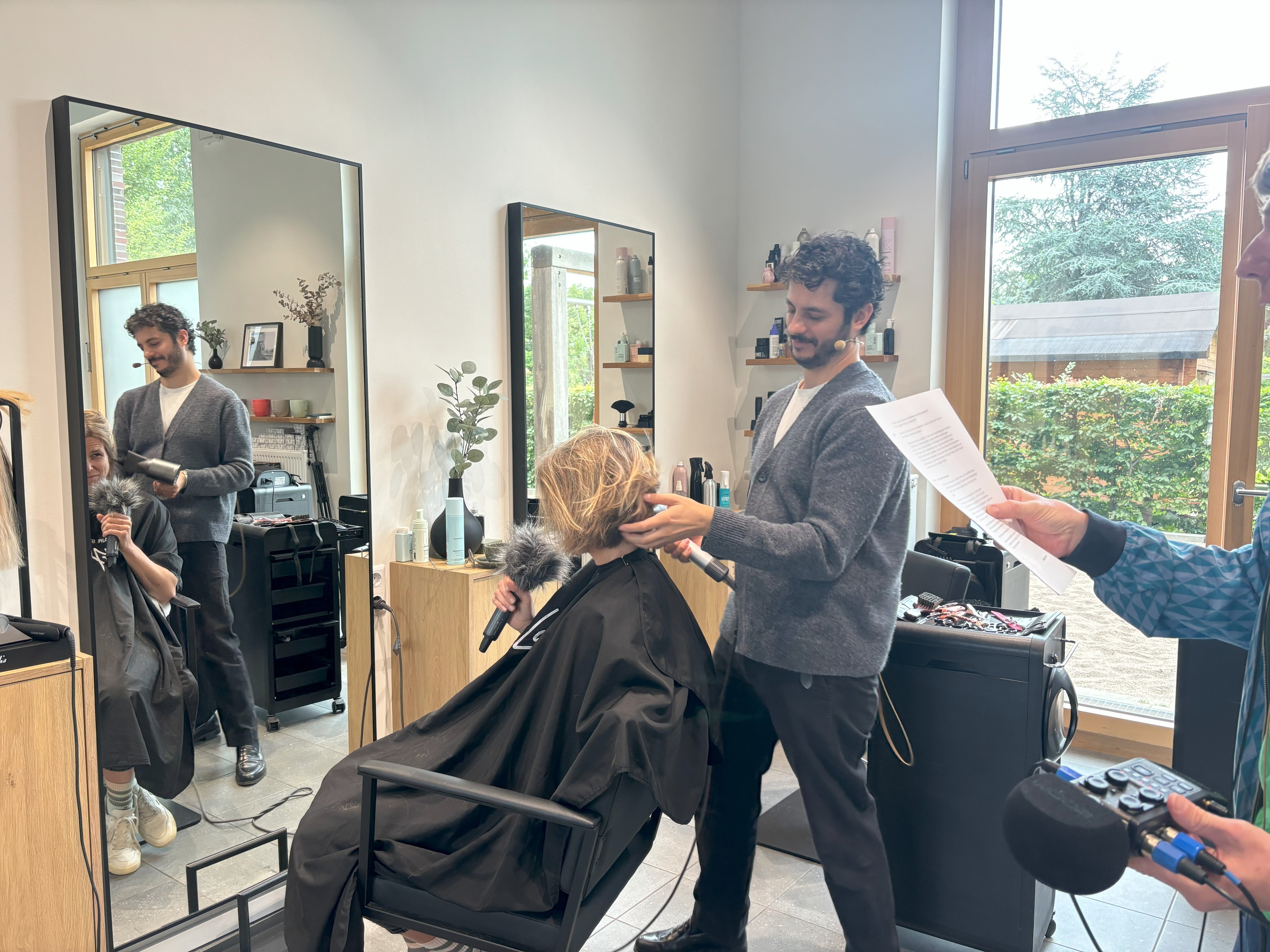
"We attach great importance to the fact that when they sit here and get their hair done, they are also served good coffee“ Yusuf
What begins as relaxed small talk in the parlour leads directly to the big question: How do we make climate protection so tangible that nobody switches off straight away? Kristina brings the discussion out of the world of numbers and into real life.
"These are very complicated figures and information that a normal person can't really do anything with." Kristina
Her key point: measuring and setting targets is not enough. The targets need to be explained in an understandable way and based on everyday examples and, above all, tangible measures are needed along the entire supply chain: from the origin of the coffee to production countries such as Bangladesh and, of course, ourselves.
From here, we move on to what Tchibo does in concrete terms: climate protection should not remain abstract, but should provide guidance in everyday life. For example, through clear disposal instructions on packaging and local projects, such as more efficient use of resources in coffee cultivation.
Tchibo relies on joint action to turn ideas into action: With the 1600-day mission towards 2030, we are inviting employees, customers and clients to take steps that will achieve great things together. The Salon shows how this can be achieved: In dialogue, with a clear tone and a good hairstyle.
Yusuf brings in a view from everyday life. Talking about climate change without letting the mood change works best with short, memorable messages and a dash of humour. Because even the best hairdresser names come up (keyword: "Hairberge").
In the end, the realisation remains that climate protection is not an elite issue or a programme of renunciation, but a joint project. Ideally with a good mood, an understandable announcement and a cup of coffee in hand.
Listen for yourself,
- ☕ why good coffee is a must at the hairdresser's
- ✂️ which hairdresser names really exist
- 🌍 why climate targets often seem too abstract
- 💡 what climate measures Tchibo will implement
On YouTube and wherever there are podcasts.
Q&A
1. Wer sind die Gäste in dieser Podcastfolge?
Die Gäste dieser Episode sind Kristina Kölling, Tchibo-Expertin für Kreislaufwirtschaft und Umweltschutz, und Yusuf Irkilata, Hairstylist und Inhaber des Hamburger Salons Layers.
2. Welche Themen wurden im Podcast besprochen?
Die Episode thematisiert Klimaschutz und Nachhaltigkeit im Alltag, insbesondere durch Konsumentscheidungen, den CO2-Fußabdruck von Lieferketten und konkrete Ansätze wie Mülltrennung, energieeffizientes Handeln und nachhaltige Kommunikation in Unternehmen und Friseursalons.
3. Welche Nachhaltigkeitsziele verfolgt Tchibo?
Tchibo setzt sich unter anderem dafür ein, die direkten CO2-Emissionen bis 2030 um 42 % zu reduzieren, die Emissionen aus den Kaffeeanbau-Lieferketten um 30 % und aus den Produktions-Lieferketten um 25 %. Langfristig strebt das Unternehmen bis 2045 die Klimaneutralität an.
4. Wie kann man als Einzelperson zum Klimaschutz beitragen?
Kristina Kölling und Yusuf Irkilata empfehlen, einfache Maßnahmen wie Mülltrennung, bewussten Konsum und die Wahl von nachhaltigen Produkten umzusetzen. Gespräche über Klimathemen können helfen, das Bewusstsein zu stärken und zur Veränderung motivieren.
5. Warum findet diese Folge im Friseursalon statt?
Der Friseursalon bietet einen alltäglichen, ungezwungenen Rahmen, um über ernste Themen wie Klimaschutz zu diskutieren und die Verbindung zur Lebensrealität der Menschen herzustellen.
6. Was ist die 1600-Tage-Mission von Tchibo?
Diese Unternehmensinitiative zählt die Tage bis 2030 und mobilisiert Mitarbeitende und Kundinnen für eine gemeinsame Bewegung zur Erreichung der Klimaziele. Ziel ist es, sowohl intern als auch extern nachhaltiges Handeln zu fördern und in konkrete Projekte umzusetzen.
7. Was können Unternehmen tun, um Verbraucher besser zu informieren?
Yusuf Irkilata und Kristina Kölling schlagen vor, Nachhaltigkeit verständlicher zu kommunizieren, zum Beispiel durch Entsorgungshinweise auf Verpackungen oder übersichtliche Informationen zu nachhaltigen Produktprogrammen.