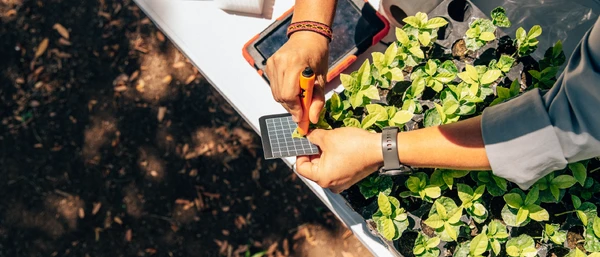
Tchibo supports research into new climate-resilient coffee varieties
The future of coffee begins in a field in El Salvador
What sort of coffee will we be drinking in 10 years’ time? Will we even be drinking coffee at all? Will it still exist by then? The good news is: probably yes. Because research is already underway. And perhaps the coffee in our cups will come from plants that are completely different to those we have today. In April 2026, 70 new coffee varieties were harvested and tasted for the first time in El Salvador. This tasting could help determine which varieties will be grown worldwide in the future.
Why does coffee need new varieties at all?
Climate change is threatening the regions where coffee has been grown for centuries. Traditional growing regions are under pressure from rising temperatures, erratic rainfall and new plant diseases. At the same time, global demand is rising. The challenge is clear: we need coffee plants that can grow in harsher conditions, withstand more stress and still taste good. This is where World Coffee Research comes in.
What is World Coffee Research, and what does the organisation do?
World Coffee Research (WCR) is a not-for-profit research and development organisation. Its aim is to protect and promote quality coffee, secure the supply chain and improve the living conditions of farming families. The organisation’s members include over 170 companies from 29 countries. Tchibo has been a member since 2021. I am a member of the WCR’s Research Advisory Committee.
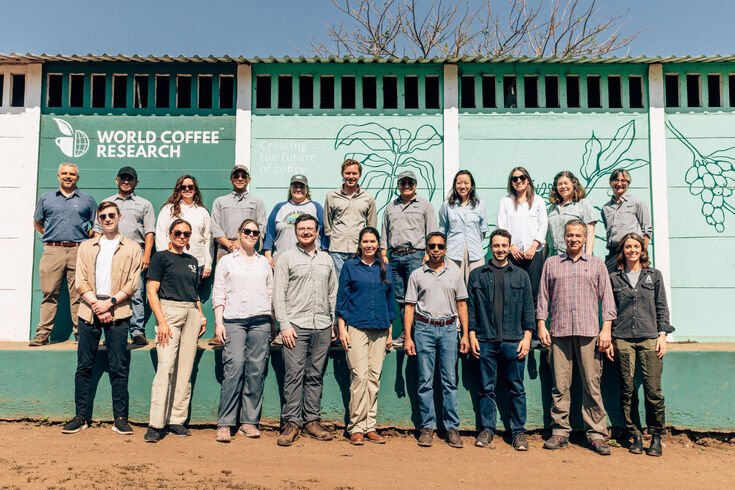
World Coffee Research focuses on three key areas:
Variety breeding: Developing climate-resilient Arabica varieties through conventional cross-breeding without genetic modification
Tree nurseries & seed systems: Modernising plant propagation for a more professional, scalable supply
Quality research: Ensuring that new varieties also meet international standards in terms of flavour
And what is the new Innovea program?
The Innovea Global Coffee Breeding Network is currently WCR’s largest coffee breeding programme. It has a clear objective: by 2030, new hybrid varieties are to be made available to coffee farmers worldwide for cultivation.
These varieties must meet three requirements simultaneously: they must be high-yielding, resistant to drought, aridity and plant diseases, and, of course, delicious! After all, we want to continue enjoying our coffee in the future too.
What happened in El Salvador?
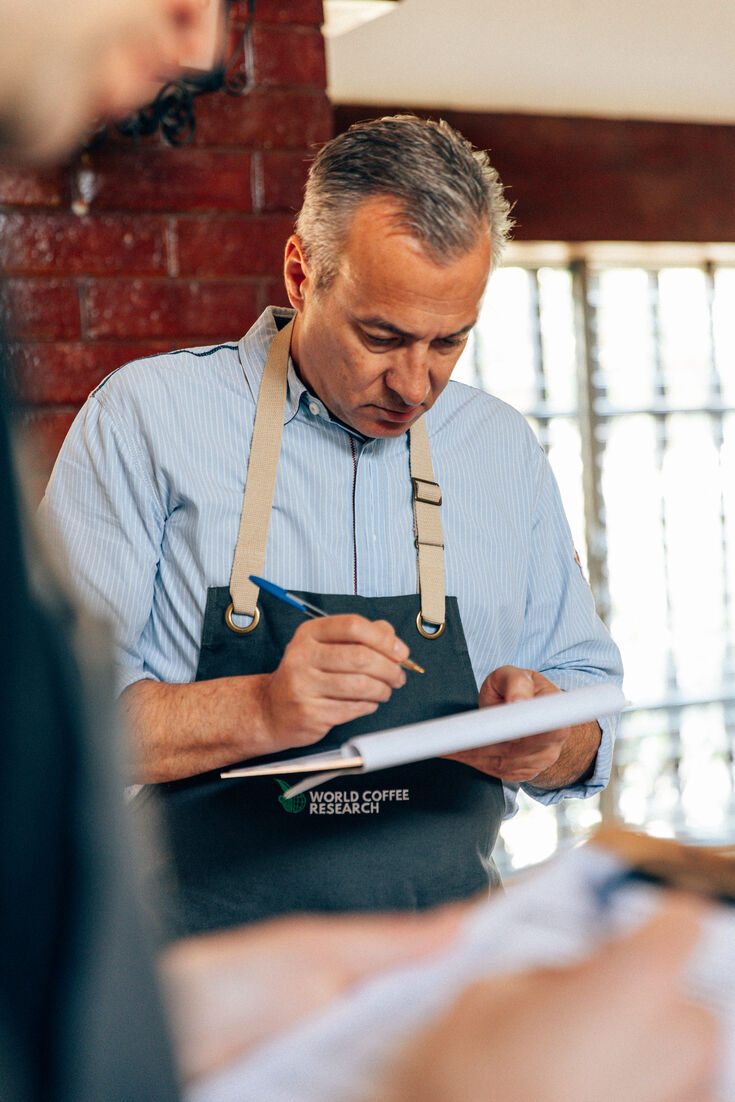
El Salvador is home to the world’s largest Innovea plantation. In the spring of 2026, the plants were ready for harvest for the first time. This was the ideal time for us to assess the progress of the research in April and to taste the varieties for the first time.
I travelled there in my capacity as a member of the WCR’s Research Advisory Committee. This committee supports the WCR’s R&D team and provides impetus and guidelines for this important project for the future. Over the course of my career, I have visited many coffee-producing countries: Brazil, Colombia, Costa Rica, Kenya, Tanzania, Vietnam, India and Indonesia. Most of these visits involved farm support, quality measures, regenerative agriculture or EU coffee regulations. This trip was different. It was a return to the origins of plant breeding and, at the same time, a step into the future of coffee.
„We must be committed from the very start by linking research and science to the actual results in terms of cup quality. After all, we want to supply our markets with the coffees our customers want.“
How is cup quality measured?
I took part in blind tastings with experts from many of the participating companies, sampling around 70 new hybrids. The aim was to identify the most promising varieties for use in further breeding programmes.
The evaluation was carried out according to two recognised standards: Q-Graders are internationally certified coffee specialists trained to the standards of the SCA (Specialty Coffee Association). CVA (Coffee Value Assessment) is the SCA’s latest assessment programme, which is calibrated, standardised and reproducible. Both methods ensure that the tasters’ assessments are not subjective, but are based on defined, reproducible quality parameters.
This was the very first sensory quality assessment of Arabica material from the Innovea programme. A milestone for World Coffee Research and the entire industry. The quality specifications established here serve as a benchmark for all further breeding steps. The next comparable quality assessment, involving further-developed varieties, is planned in three years’ time at the earliest. Coffee breeding takes time. This is biologically inevitable.
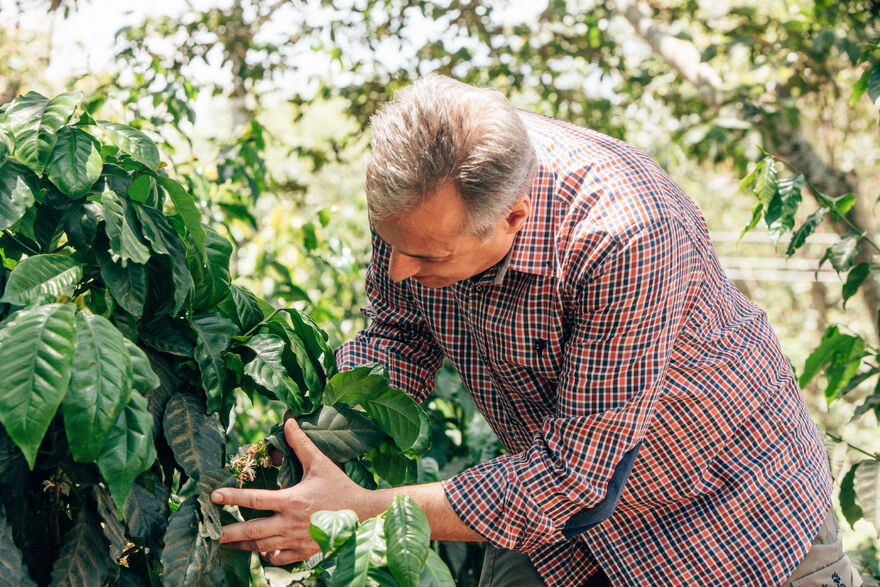
What was my personal takeaway?
Having tasted more than 70 of the new varieties, I am convinced that the future of coffee is in safe hands. The researchers at WCR will develop resilient and high-yielding varieties whilst preserving what we all love about coffee: its unique flavour. The goal remains the same until 2030: to give coffee farmers access to new plants that are perfectly adapted to the new conditions brought about by climate change.
For me personally, this visit held even greater significance. It felt like the perfect final experience before I step down from my role as Tchibo Director at the end of 2026 and embark on a new phase of my life. And, in my view, the work carried out by WCR may well go on to write “a small piece of history for Tchibo”.